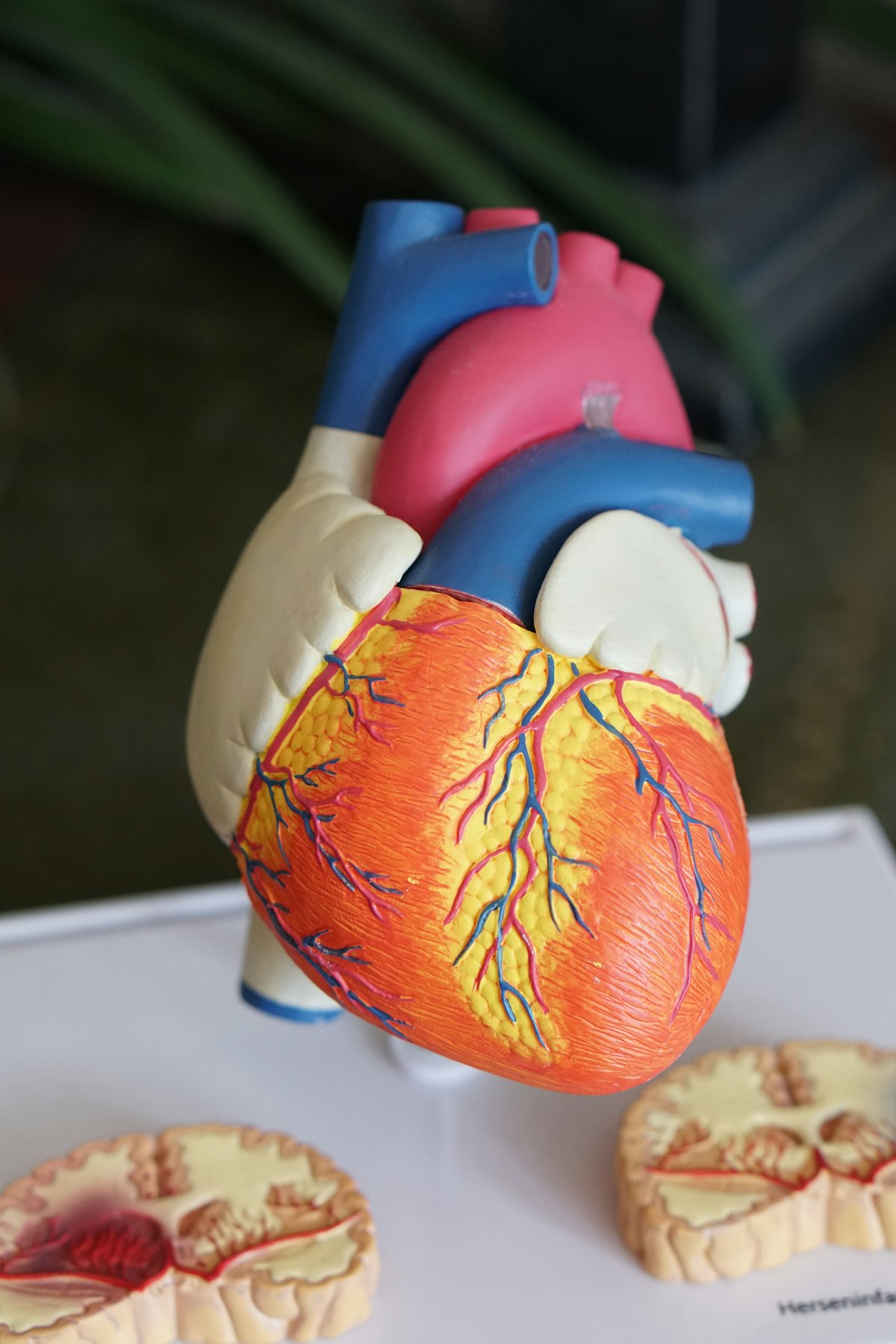
Your heart beats 100,000 times a day and your blood pressure is constantly adjusted to meet your body’s demands. But which part of the brain controls blood pressure? The answer is the same remarkable region that controls your breathing — the medulla oblongata in the brainstem. In this expert guide, د. آرون ساروها — one of India’s most trusted neurosurgeons — explains exactly how the brain regulates blood pressure and what happens when this control is disrupted.
The Medulla Oblongata: The Brain’s Blood Pressure Command Centre
ال medulla oblongata — the lowermost section of the brainstem — houses the cardiovascular control centre (CVC), which acts as the command post for blood pressure regulation. The medulla is also the region responsible for controlling respiration — meaning a single brainstem injury can simultaneously devastate both breathing and blood pressure regulation.
The CVC contains two functionally opposed zones that work in precise balance:
- Vasomotor / Pressor Area: Sends sympathetic nervous system signals to maintain blood vessel muscle tone (vasomotor tone). When activated, it causes vasoconstriction — narrowing blood vessels and raising blood pressure. It also increases heart rate and cardiac output.
- Cardioinhibitory / Depressor Area: Sends parasympathetic signals via the vagus nerve to slow heart rate and promote vasodilation when blood pressure rises too high. It acts as the natural blood pressure brake.
Baroreceptors: The Brain’s Real-Time Blood Pressure Sensors
The medulla relies on continuous input from baroreceptors — specialized pressure sensors in the walls of the carotid sinus (in the neck) and aortic arch (near the heart). These sensors fire electrical signals proportional to the stretch of the vessel walls:
- BP too HIGH → Baroreceptors increase firing → Medulla activates depressor area → Heart slows + blood vessels dilate → BP falls back to normal.
- BP too LOW → Baroreceptors reduce firing → Medulla activates pressor area → Heart accelerates + blood vessels constrict → BP rises back to normal.
This baroreceptor reflex operates within seconds, making it the fastest blood pressure regulation system in the body. This also explains why you may feel briefly dizzy when standing up quickly (orthostatic hypotension) — a momentary lag in baroreceptor compensation before the medulla restores normal BP. The stability of this entire system depends on how well the brain and spinal cord are protected — as the cardiovascular signals travel from the medulla down through the spinal cord. Read our detailed guide on how the brain and spinal cord are protected together for the complete anatomical picture.
The Hypothalamus and Higher Brain Centres: Stress, Emotion, and BP
While the medulla handles immediate blood pressure control, higher brain structures add important modulation:
- Hypothalamus: Integrates stress, temperature, and emotional signals. During the “fight or flight” response, the hypothalamus drives a surge in adrenaline and cortisol — rapidly raising blood pressure. Chronic stress through this pathway causes sustained hypertension.
- Amygdala: The brain’s emotional centre. Anxiety, anger, and fear activate the amygdala → triggers hypothalamic stress response → raises BP. This explains “white coat hypertension” (BP spikes during medical appointments).
- Cerebral Cortex: Higher cognitive functions and conscious emotional regulation can modulate BP through the hypothalamus. Mindfulness meditation, yoga, and cognitive reframing demonstrably lower cortisol and blood pressure.
High Blood Pressure and Brain Damage: A Dangerous Partnership
In India, hypertension affects approximately 1 in 3 adults — yet fewer than 15% have it adequately controlled. Uncontrolled high blood pressure causes progressive, cumulative brain damage through multiple mechanisms:
- Cerebrovascular Disease: High BP accelerates atherosclerosis in cerebral arteries — narrowing blood supply and increasing ischemic stroke risk by 4–6x.
- Brain Hemorrhage: Chronic hypertension weakens small penetrating arteries (Charcot-Bouchard aneurysms), which can rupture causing intracerebral hemorrhage. Recognizing the symptoms of brain hemorrhage early is critical for survival.
- White Matter Lesions: High BP damages the small vessels supplying the brain’s white matter — causing leukoaraiosis (white matter disease), which leads to cognitive slowing, memory problems, and eventual vascular dementia.
- Blood-Brain Barrier Disruption:فهم how the brain is normally protected by the blood-brain barrier helps explain why hypertension — by disrupting the BBB — contributes directly to neuroinflammation and Alzheimer’s disease progression.
Protecting Your Brain from Blood Pressure Damage: Evidence-Based Steps
- Monitor blood pressure regularly — at home and during medical checkups. Know your numbers.
- Adopt a low-sodium, DASH-style diet — reduce processed food, pickles, papad, and excess salt in Indian cooking.
- Exercise 150 minutes per week — aerobic exercise lowers systolic BP by 4–9 mmHg on average.
- Manage stress actively — yoga, pranayama, and mindfulness meditation are proven BP-lowering tools.
- Maintain healthy weight — every 5 kg of weight loss can reduce systolic BP by 4–5 mmHg.
- Avoid smoking and limit alcohol — both independently raise BP and accelerate cerebrovascular disease.
- Take medications as prescribed — never stop antihypertensive medications without medical advice.
- Support healthy brain development in children — healthy cardiovascular habits formed in childhood prevent adult hypertension. Our guide on how to increase brain power in children includes nutrition and lifestyle strategies that also support cardiovascular health.
الأسئلة المتكررة (FAQs)
Q1. Which part of the brain controls blood pressure?
ال medulla oblongata in the brainstem houses the cardiovascular control centre (CVC). It contains the vasomotor (pressor) area and cardioinhibitory (depressor) area that work through the autonomic nervous system to continuously regulate blood pressure via heart rate and blood vessel diameter adjustments.
Q2. How does the baroreceptor reflex work?
Baroreceptors in the carotid sinus and aortic arch detect blood pressure changes and send signals to the medulla. The medulla responds within seconds — activating either vasodilation and heart rate reduction (if BP is too high) or vasoconstriction and heart rate increase (if BP is too low) — to restore normal pressure.
Q3. Can chronic high blood pressure cause brain damage?
Yes. Uncontrolled hypertension causes progressive cerebrovascular damage — atherosclerosis, white matter lesions, BBB disruption — and dramatically increases risk of ischemic stroke, brain hemorrhage, and vascular dementia. In India, hypertension is the #1 preventable cause of brain damage.
Q4. What is a hypertensive crisis and how does it affect the brain?
A hypertensive crisis (BP above 180/120 mmHg) can cause hypertensive encephalopathy — brain swelling from the pressure overwhelming the brain’s autoregulation. Symptoms include severe headache, confusion, vision changes, seizures, and risk of brain hemorrhage or stroke. It requires immediate emergency treatment.
Q5. How does stress raise blood pressure through the brain?
Chronic stress activates the amygdala and hypothalamus, triggering adrenaline and cortisol release that raises blood pressure. Over time, this sustained activation causes vascular remodeling — persistently elevated BP that requires medical management. Yoga, meditation, and breathing exercises help reduce this chronic stress activation.
Q6. When should I see a doctor about blood pressure and brain health?
Consult a doctor if: your BP is consistently above 130/80 mmHg; you experience persistent headaches; you have vision changes, dizziness, or balance problems; or you have any sudden neurological symptoms. For BP above 180/120 mmHg with symptoms — go to the emergency room immediately.
Conclusion: Protect Your Blood Pressure — Protect Your Brain
Now you understand exactly which part of the brain controls blood pressure — the medulla oblongata’s cardiovascular control centre, working in real-time through the baroreceptor reflex and autonomic nervous system. High blood pressure is not just a heart disease risk — it is a direct, progressive threat to your brain. In India, where hypertension is epidemic, awareness and action are literally lifesaving.
Take control of your blood pressure today — every point you lower it reduces your risk of stroke and brain hemorrhage significantly.
EXPERT NEUROSURGERY CONSULTATION — INDIA
🧠 Worried About Blood Pressure & Brain Health?
آمر د. آرون ساروها — India’s Leading Neurosurgeon & Spine Specialist. Expert evaluation for hypertension-related brain conditions, stroke risk, and all neurological concerns.
📞 Book Your Consultation Today →✅ Available for In-Person & Online Consultations | Pan India


